 By admin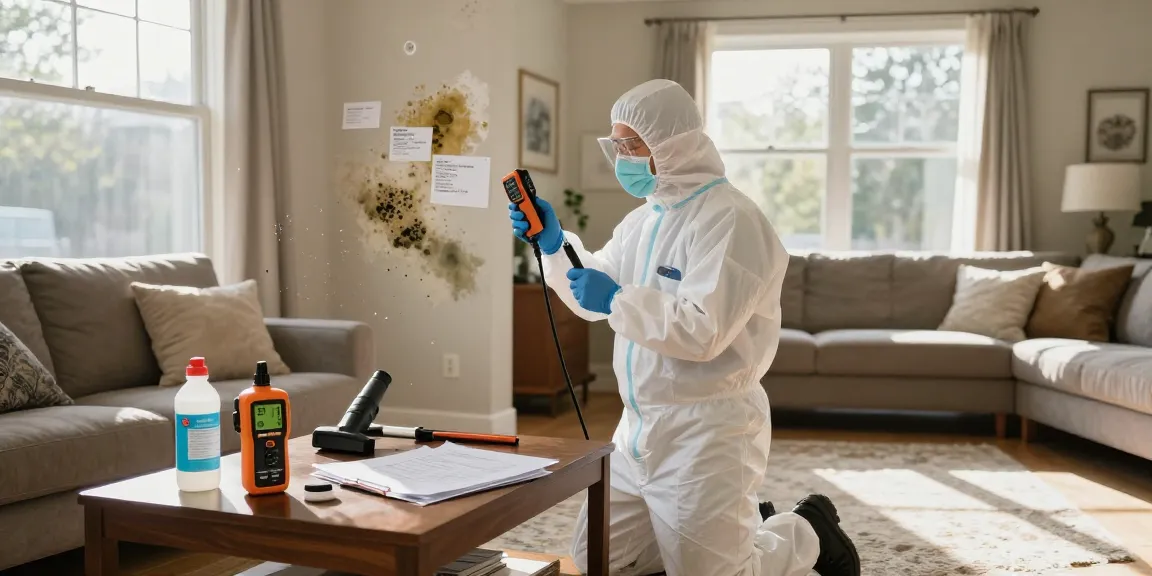
Understanding Mold Remediation in West Vancouver
Mold can pose significant health risks and structural issues for homes and businesses in West Vancouver, particularly given the area’s damp climate and older architecture. Understanding the nuances of mold remediation is crucial for property owners. When exploring options, Mold Remediation West Vancouver specialists provide comprehensive insights into safely and effectively eliminating mold while preventing future growth.
What is Mold Remediation?
Mold remediation refers to the systematic process of identifying, containing, and eliminating mold from a specific area. This goes beyond simple mold removal, as it encompasses a thorough investigation into the conditions that enabled mold growth in the first place. This means addressing moisture problems and ensuring that the environment is safe for occupants. Mold remediation involves several steps, including assessment, containment, removal, and repairs, tailored to the specific needs and conditions of each property.
Importance of Professional Help
While some homeowners may consider DIY solutions for mold issues, the reality is that professional help is essential for effective remediation. Experts possess the knowledge, tools, and certifications required to tackle various types of mold, especially black mold, which is known to have serious health implications. Engaging a professional service ensures that mold is not only removed but that the underlying causes are addressed, preventing future infestations.
Common Myths About Mold Removal
There are numerous misconceptions surrounding mold removal that can hinder effective remediation efforts. One common myth is that bleach is an effective solution for mold removal; however, while bleach may kill surface mold, it does not address the root cause of moisture that facilitates mold growth. Another myth is that mold can be completely eradicated, but in reality, mold spores are omnipresent in nature. The goal of remediation is to control mold levels and create a safe living environment.
Identifying Mold Issues in Your Home
Signs of Mold Growth
Recognizing the signs of mold growth is the first step toward addressing the issue. Common indicators include:
- Visible mold patches on walls, ceilings, or floors
- Musty odors that suggest mold presence
- Water stains or discoloration on surfaces
- Increased allergy symptoms among inhabitants
- Condensation on windows or walls
Common Places for Mold to Hide
Mold can thrive in various hidden locations due to moisture retention. Common areas where mold tends to grow include:
- Behind drywall
- Inside attics and crawl spaces
- Underneath sinks and around plumbing fixtures
- In bathrooms, particularly around tubs and showers
- Behind appliances where condensation can build up
What to Do Upon Discovering Mold
If you discover mold in your home, it is crucial to take immediate action. First, ensure that you limit exposure by wearing protective gear such as masks and gloves. Avoid spreading spores by not disturbing the mold. Next, contact a certified mold remediation service to conduct a thorough inspection and develop a remediation plan tailored to your property. Quick action can significantly reduce health risks and property damage.
The Mold Remediation Process Explained
Initial Assessment and Inspection
The mold remediation process begins with an initial assessment and inspection of the property. This involves a detailed examination of the affected areas, moisture mapping, and air quality testing. Professionals use advanced technologies, including thermal imaging and moisture meters, to identify hidden mold and moisture sources. This first step is crucial in formulating an effective plan for remediation.
Containment Strategies and Equipment
Once the assessment is complete, containment strategies are employed to prevent the spread of mold spores during the remediation process. This may involve setting up physical barriers, employing negative air pressure systems, and adjusting HVAC systems to limit airflow. Specialized equipment like HEPA filters and air scrubbers are used to capture airborne particles and maintain air quality.
Step-by-Step Remediation Techniques
A successful remediation process includes the following steps:
- Containment: Isolate the affected area to prevent spores from migrating.
- Removal: Safely remove contaminated materials, adhering to local regulations.
- Cleaning: Use antimicrobial and antifungal treatments on surfaces to eliminate mold spores.
- Restoration: Repair or replace damaged materials to restore the area to its original condition.
- Post-remediation testing: Conduct air quality tests to ensure mold levels are safe before reoccupying the space.
Cost Factors in Mold Remediation Services
Understanding Pricing Structures
The cost of mold remediation varies based on several factors, including the extent of the mold problem, the type of materials affected, and the size of the area needing treatment. Typically, professional remediation services may charge by the square foot or provide a flat fee based on the complexity of the job. Understanding the pricing structure can help homeowners budget effectively for necessary services.
Factors Affecting Mold Remediation Costs
Several specific factors can influence the overall cost of mold remediation:
- Size of the affected area
- Type of mold present (common vs. toxic mold)
- Extent of damage caused by mold
- Accessibility of the affected areas
- Need for additional repairs beyond remediation
Hidden Costs to Watch For
When budgeting for mold remediation, homeowners must be aware of potential hidden costs. These can include:
- Additional repairs needed to restore affected areas
- Emergency services if mold is discovered outside of regular business hours
- Testing for air quality or mold spores after remediation
- Long-term monitoring plans to prevent future mold growth
Preventing Future Mold Growth
Moisture Control Tips
Controlling moisture is key to preventing future mold growth. Homeowners should consider implementing the following strategies:
- Use dehumidifiers in damp areas to reduce humidity levels.
- Ensure proper ventilation in bathrooms, kitchens, and attics.
- Fix leaks promptly to prevent water accumulation.
- Use mold-resistant products during home repairs and renovations.
Long-Term Maintenance Strategies
Establishing long-term maintenance strategies can help keep mold growth at bay. Some effective strategies include:
- Regular inspections of high-risk areas, especially after heavy rainfall.
- Routine cleaning of gutters and downspouts to ensure proper drainage.
- Promptly addressing any signs of wear or damage in your property’s exterior.
- Implementing a moisture control plan that includes regular checks on plumbing systems.
Common Mistakes to Avoid
Finally, homeowners should avoid common mistakes that can lead to mold resurgence, such as:
- Neglecting to fix water leaks and moisture issues.
- Using improper cleaning methods that do not eliminate mold spores.
- Ignoring signs of mold growth until it becomes a larger issue.
- Underestimating the importance of professional inspections and treatments.
How Much Does Mold Remediation Cost in West Vancouver?
The average cost of mold remediation in West Vancouver typically ranges from $500 to $6,000, depending on various factors such as the severity of the mold problem, size of the affected area, and any necessary repairs post-remediation. It’s advisable to get quotes from multiple service providers to ensure a fair price.
Can I Stay in My House During Mold Remediation?
In many cases, it is not safe to remain in the property during mold remediation, particularly if toxic mold is present. The process can stir up spores and create a hazardous environment. It’s best to consult with your mold remediation team about the specific situation and recommendations based on the severity of the mold infestation.
How Can I Prevent Mold Growth in the Future?
Preventing future mold growth focuses on moisture control and regular maintenance. Homeowners should ensure proper ventilation, fix leaks quickly, and keep indoor humidity levels low. Implementing these practices can significantly reduce the chances of mold returning after remediation.
What Are the Health Risks Associated with Mold?
Mold exposure can lead to a variety of health issues, particularly for individuals with respiratory problems, allergies, or compromised immune systems. Symptoms may include coughing, sneezing, skin irritation, and even severe respiratory conditions in extreme cases. Addressing mold promptly can help mitigate these health risks.
Is DIY Mold Removal Effective?
While DIY methods may seem appealing, they are often insufficient for effective mold removal. Many products simply address the surface mold without solving the underlying moisture problem, which allows mold to return. It’s advisable to consult professionals who can provide a comprehensive assessment and effective remediation.
