Understanding Metal Roofing: Benefits and Features
Metal roofing is rapidly gaining popularity, particularly in the Greater Toronto Area (GTA), due to its durability, aesthetic appeal, and energy efficiency. With an increasing number of homeowners looking for sustainable and long-lasting roofing options, understanding the benefits and features of metal roofing is essential. Whether constructing a new home or renovating an existing one, exploring options such as metal roofing GTA can provide comprehensive insights into how these materials can meet your roofing needs.
What is Metal Roofing?
Metal roofing encompasses a system of metal panels or tiles used to cover the roof of a structure. Common materials include steel, aluminum, copper, and zinc, each offering unique benefits and aesthetics. Unlike traditional roofing materials like asphalt shingles, which may last about 20 years, metal roofs can often last 50 years or more with proper maintenance. These roofs are available in various styles, colors, and finishes, allowing homeowners to select options that perfectly match their architectural preferences and neighborhood standards.
Key Advantages of Metal Roofing GTA
- Durability: Metal roofing is highly resistant to extreme weather conditions, including heavy snow, hail, and high winds, making it an ideal choice for the variable climate of the GTA.
- Energy Efficiency: Metal roofs reflect solar heat, helping to keep homes cooler in summer and potentially lowering energy bills.
- Low Maintenance: Unlike traditional roofing, metal roofing requires minimal maintenance, which translates into lower long-term costs for homeowners.
- Environmentally Friendly: Many metal roofing products contain recycled materials and are fully recyclable at the end of their lifespan, making them a sustainable choice.
- Aesthetic Variety: Available in numerous colors and styles, metal roofing enhances curb appeal while offering versatility in design.
Popular Types of Metal Roofing Materials
There are several types of metal roofing materials commonly chosen by homeowners in the GTA. Each type has its own benefits and considerations:
- Steel: The most widely used material, steel roofing is available in galvanized or galvalume finishes and is renowned for its strength and durability.
- Aluminum: Lightweight and corrosion-resistant, aluminum is a great choice for coastal areas due to its ability to withstand salt corrosion.
- Copper: Known for its distinctive appearance and longevity, copper roofing develops a unique patina over time, adding to its aesthetic appeal.
- Zinc: Zinc roofing is highly durable and resistant to corrosion, making it an excellent option for sustainable building practices.
Choosing the Right Metal Roofing for Your Home
When selecting metal roofing for your home in the GTA, several factors come into play. Understanding your specific needs and preferences is key to making an informed decision that adds value to your property.
Factors to Consider When Selecting Metal Roofing GTA
Several essential considerations should guide your choice of metal roofing:
- Climate: The GTA experiences a range of weather conditions, necessitating a roofing material that can withstand snow, ice, and rain.
- Budget: While metal roofing offers long-term savings, initial costs can vary significantly based on the material and installation method.
- Home Design: The roofing style should complement your home’s architectural style. Options range from sleek contemporary designs to rustic finishes.
- Local Building Codes: It’s essential to check any local codes that may influence the type of roofing materials permitted in your area.
Comparing Styles and Finishes
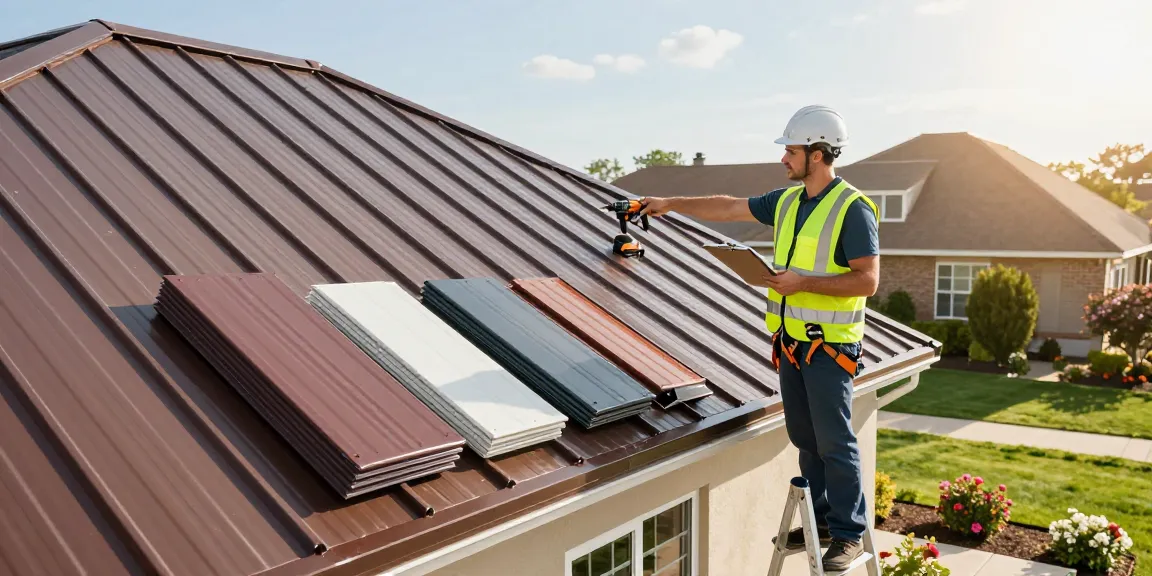
Metal roofing is available in a variety of styles and finishes, including standing seam, corrugated panels, and shingles. Each style has its visual appeal and performance characteristics. Consider the architectural style of your home when choosing a finish, as well as the color, which can be tailored to either blend in with the surrounding environment or stand out as a bold statement.
Cost Considerations and Budgeting
The cost of metal roofing can vary widely based on factors such as material type, roof size, and installation complexity. It’s crucial to obtain multiple quotes from reputable contractors and factor in the long-term savings associated with lower maintenance and energy costs. While the upfront investment may be higher compared to traditional roofing, many homeowners find that metal roofing pays off in terms of durability and energy efficiency.
Installation Process for Metal Roofing GTA
The installation of a metal roof is a critical process that requires careful planning and skilled labor. Understanding the stages of installation can help homeowners grasp what to expect and ensure a smooth project.
Hiring the Right Contractor for Your Project
Finding a qualified contractor is essential for ensuring a successful installation. Look for professionals with experience in metal roofing specifically. Check references, read reviews, and ensure they have the necessary licenses and insurance. A skilled contractor will provide a detailed estimate and timeline, helping you set realistic expectations for your project.
DIY vs Professional Installation: Pros and Cons
While some homeowners may consider a DIY approach to installing metal roofing, it’s important to weigh the pros and cons:
- DIY Pros: Cost savings, personal satisfaction, and taking control of the project timeline.
- DIY Cons: Potential for mistakes, lack of experience, and the absence of warranties that professionals offer.
- Professional Installation Pros: Expertise, warranty on workmanship, and assurance of compliance with building codes.
- Professional Installation Cons: Higher upfront cost, reliance on contractors for scheduling.
Essential Tools and Materials Needed for Installation
If you decide to undertake the project yourself, it's vital to have the right tools and materials to ensure a successful installation. Common tools include a metal cutting saw, drill, and safety equipment, along with materials such as underlayment, fasteners, and flashing. Ensure you thoroughly read the installation guidelines for your specific roofing product to avoid potential pitfalls.
Maintenance Tips for Long-lasting Metal Roofing
To maximize the lifespan of your metal roof, regular maintenance is essential. Implementing a consistent maintenance routine can prevent minor issues from escalating into costly repairs.
Routine Inspections and Upkeep
Regular inspections should be conducted at least twice a year, ideally in the spring and fall. Look for signs of rust, loose panels, or damaged seals. Keeping gutters clear of debris and ensuring proper drainage will also prolong the life of your roof.
Common Issues and How to Fix Them
Some common issues with metal roofing include rust formation, loose fasteners, and panel denting. Most issues can be addressed with routine care:
- Rust: Treat rust with metal primer and paint; consider a protective coating for prevention.
- Loose Fasteners: Re-torque or replace any loose fasteners to maintain structural integrity.
- Denting: Minor dents can often be fixed with proper lifting techniques; however, significant damage may require professional assessment.
Seasonal Care for Metal Roofing GTA
Seasonal changes in the GTA can impact your metal roof. In winter, ensure snow and ice are removed safely to prevent damage, and in summer, check for debris build-up that can trap moisture. Proper seasonal care will help your roof withstand the local climate changes throughout the year.
Future Trends in Metal Roofing for GTA Homes
The metal roofing industry is evolving rapidly, driven by technological advances and an increasing focus on sustainability. Staying informed about future trends can help homeowners make proactive decisions about their roofing needs.
Eco-Friendly Innovations in Metal Roofing
With a growing emphasis on environmental sustainability, many manufacturers are exploring eco-friendly innovations in metal roofing. This includes the use of recycled materials, energy-efficient coatings that reflect sunlight, and even solar panel integration for enhanced energy savings.
Technological Advances in Roofing Applications
Advances in technology are also influencing installation and maintenance practices. Innovations such as drone inspections and software for design simulations are making it easier and safer to plan and execute roofing projects.
Predictions for the Metal Roofing Market by 2026
Market analysts predict continued growth in the metal roofing sector, particularly as homeowners become more aware of the benefits of sustainable building practices. The trend towards energy efficiency and durable materials is expected to drive demand, potentially resulting in new product offerings and improved technologies within the industry.
What are the benefits of metal roofing compared to traditional roofing?
Metal roofing offers advantages such as enhanced durability, longer lifespan, energy efficiency, and lower maintenance requirements compared to traditional roofing materials like asphalt shingles.
How long does metal roofing last with proper maintenance?
With proper maintenance, metal roofing can last 40 to 70 years, depending on the material and environmental conditions.
Can I install metal roofing myself, or should I hire a professional?
While some homeowners opt for DIY installation, hiring a professional is recommended to ensure quality and compliance with local building codes.
What are the warranty options for metal roofing products?
Warranty options vary among manufacturers but typically include warranties ranging from 25 years to lifetime coverage for both materials and workmanship.
How does metal roofing perform in extreme weather conditions?
Metal roofing performs exceptionally well in extreme weather, including high winds and heavy snowfall, due to its durability and resistance to damage.