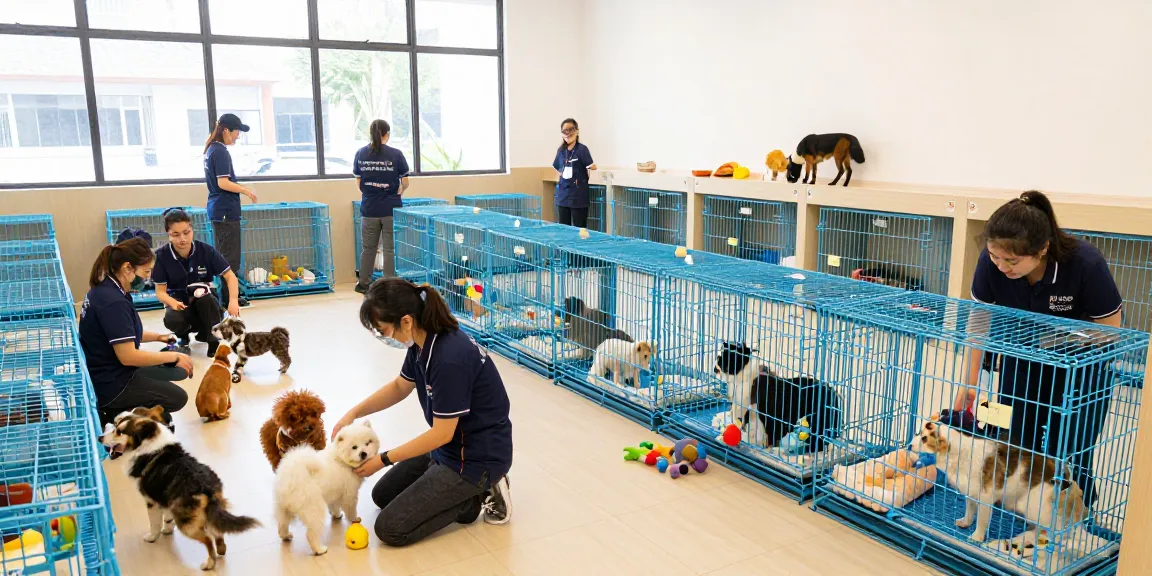
The Importance of Quality in Pet Boarding
As the pet care industry continues to evolve, the importance of quality in pet boarding has never been more paramount. Pet owners are increasingly searching for facilities that not only provide a safe environment but also cater to the emotional and physical well-being of their furry companions. Understanding these needs is crucial for animal professionals who strive to offer the best services. This article will explore the essential aspects of quality pet boarding, the features to look for in boarding facilities, and how to create an environment that promotes comfort and safety for pets. When exploring options, Pet Boarding provides comprehensive insights and high-quality products tailored for the industry.
Understanding Pet Needs and Comfort
Pets, like humans, thrive in environments that are comfortable and secure. Understanding their needs begins with recognizing their basic requirements—food, water, shelter, and companionship. An effective pet boarding facility acknowledges these needs and goes beyond by providing enrichment activities that stimulate a pet's mind and body.
- Space to Roam: Animals require sufficient space to move around. Cages should be spacious and allow for different postures—lying down, standing, and stretching.
- Comfortable Surroundings: Quality bedding, temperature control, and cleanliness are essential in ensuring pets feel at home.
- Social Interaction: Pets are social creatures. Facilities should promote positive interactions among pets and between pets and staff.
Key Features to Look for in Boarding Facilities
When evaluating potential boarding facilities, there are several key features that pet owners and animal professionals should prioritize:
- Safety Standards: Facilities must adhere to local regulations and have strict safety protocols in place to prevent escapes and accidents.
- Veterinary Care: Access to veterinary services is critical in ensuring that pets receive immediate care in case of illnesses or emergencies.
- Staff Training: Well-trained staff who understand animal behavior can better manage pets and provide individualized care.
How Quality Impacts Animal Behavior
The quality of the boarding environment significantly influences the behavior of pets. Poor conditions can lead to stress, anxiety, or aggression among animals. Conversely, a well-designed boarding facility can foster positive behaviors by:
- Reducing Stress: A calm, inviting atmosphere reduces fear and promotes relaxation.
- Enhancing Social Skills: Positive interactions with other pets and humans can improve a pet's temperament.
- Encouraging Healthy Habits: Facilities that promote physical activity and mental stimulation help keep pets engaged and healthy.
Choosing the Right Boarding Option
With numerous options available, selecting the right boarding facility can be daunting for pet owners. Here are critical considerations to make the decision easier:
Types of Pet Boarding Facilities
There are several types of pet boarding facilities, each catering to different needs and preferences:
- Traditional Kennels: These facilities typically house animals in cages and offer basic care services.
- Luxury Pet Resorts: Offering a more upscale experience, these resorts provide spacious accommodations, gourmet meals, and additional services like grooming and spa treatments.
- In-Home Boarding: Some pet owners prefer a more personal touch and choose in-home boarding, where pets stay in a caretaker’s home.
Assessing Location and Convenience
Location plays a crucial role in selecting a boarding facility. It should be easily accessible for drop-off and pick-up, especially in emergencies. Consider the following:
- Proximity to Home: A facility close to home can reduce travel stress for both pets and owners.
- Accessibility: Ensure that the facility is located in a safe area and is easy to navigate, especially during peak travel times.
Evaluating Staff Qualifications and Training
The qualifications and training of the staff can significantly impact the quality of care provided. Consider the following aspects:
- Experience: Staff should have experience working with a variety of breeds and species.
- Ongoing Training: Facilities that invest in ongoing training sessions ensure that their staff stays updated with the latest animal care techniques.
Best Practices for Pet Boarding Facilities
Establishing best practices in pet boarding is essential for providing reliable and high-quality care. Here are key practices to implement:
Safety Protocols and Animal Care Standards
Safety is a non-negotiable aspect of pet boarding. Facilities should have comprehensive protocols in place, including:
- Emergency Procedures: Clear procedures for fires, natural disasters, or other emergencies should be established and practiced regularly.
- Health Checks: Daily health assessments can help identify potential issues before they become serious problems.
Creating a Comfortable Environment
A comfortable environment is crucial for the well-being of boarding pets. This includes:
- Hygienic Conditions: Regular cleaning and sanitation of cages and common areas help prevent the spread of disease.
- Personalized Spaces: Tailoring spaces to meet the needs of different breeds can enhance comfort and reduce anxiety.
Effective Communication with Pet Owners
Open communication channels with pet owners can alleviate their concerns while their pets are boarding. Facilities should:
- Provide Regular Updates: Frequent updates via text, email, or video can reassure pet owners about their pets' well-being.
- Feedback Mechanisms: Offering a platform for pet owners to provide feedback can improve services and address any concerns promptly.
Trends Influencing Pet Boarding in 2026
As the pet care landscape evolves, several emerging trends are shaping the future of pet boarding facilities:
Rising Demand for Eco-Friendly Practices
As awareness of environmental issues grows, pet owners are increasingly seeking boarding facilities that prioritize sustainability. Trends include:
- Eco-Friendly Products: Facilities are adopting biodegradable or recyclable supplies to minimize waste.
- Sustainable Practices: Energy-efficient systems and responsible waste management practices are gaining traction.
The Role of Technology in Pet Boarding
Technology is revolutionizing the pet boarding experience, offering greater convenience and improved care. Key advancements are:
- Online Booking Systems: Streamlined online systems for reservations and payments enhance convenience for pet owners.
- Live Streaming: Some facilities now offer live feeds, allowing owners to check in on their pets at any time.
Future of Pet Wellness in Boarding Facilities
Pet wellness is becoming a focal point in boarding facilities, with an emphasis on holistic care. This trend includes:
- Wellness Programs: Facilities are incorporating exercise, nutrition, and mental wellness programs into their offerings.
- Veterinary Partnerships: Collaborations with local veterinarians ensure that boarding facilities can provide preventive care and immediate interventions when necessary.
Frequently Asked Questions About Pet Boarding
What should I look for in a boarding facility?
When choosing a boarding facility, consider safety standards, cleanliness, staff qualifications, and the comfort of the environment provided for pets.
How can I prepare my pet for boarding?
Familiarize your pet with the facility, bring their own bedding or toys, and ensure they are up-to-date on vaccinations before their stay.
What health requirements are needed for boarding?
Many facilities require proof of up-to-date vaccinations to ensure the safety of all pets. Common requirements include rabies, distemper, and Bordetella vaccines.
How do I ensure my pet’s comfort during their stay?
Bring familiar items from home, communicate specific needs to the staff, and consider their routine to minimize stress throughout their stay.
What happens if my pet needs emergency care while boarding?
Most facilities have established protocols to handle emergencies, including access to local veterinary services and trained staff to administer first aid when necessary.