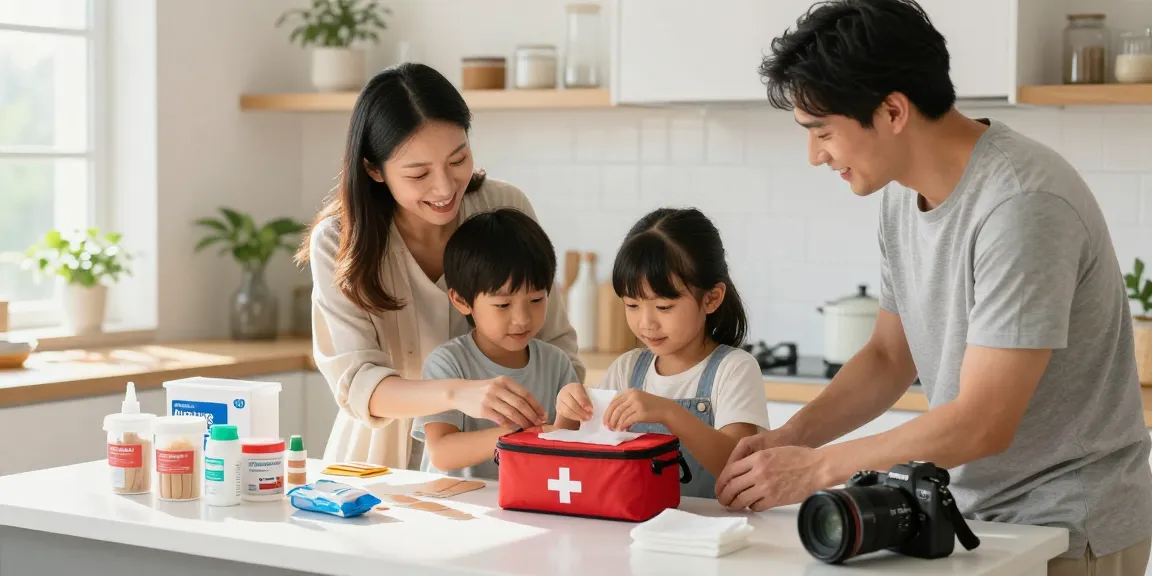
Understanding the Importance of a Basic First Aid Kit
Having a basic first aid kit readily available can make a significant difference in emergency situations. Whether it's a small cut or a more serious injury, being equipped with the right supplies can ensure timely and effective care. This is essential not only for households but also in workplaces, schools, and outdoor activities. In fact, when exploring options, basic first aid kit checklist provides comprehensive insights into what you need to include in your kit.
Why Every Household Needs a Basic First Aid Kit
In any household, accidents can occur at any moment. From minor injuries like scrapes and burns to more serious situations that require immediate attention, having a first aid kit ensures that you are prepared to respond quickly. It's a proactive step that can save lives and reduce complications from injuries. Moreover, it offers peace of mind knowing that you're equipped to handle emergencies until professional help arrives.
Common Misconceptions About First Aid Kits
Many people believe that a first aid kit is only necessary for those involved in sports or outdoor activities. However, this is a misconception. Everyday activities such as cooking, cleaning, or even playing with children can result in injuries. Additionally, some might think that a kit is only useful for major emergencies, overlooking its importance in treating minor ailments and injuries.
Building Confidence: Skills and Knowledge for Using First Aid Kits
Having a first aid kit is just one part of emergency preparedness. Understanding how to use the items within it is equally crucial. Families should engage in first aid training to build confidence in applying these skills. Knowledge improves your response in high-pressure situations and can be the difference between a quick recovery and a major complication.
Essential Components of a Basic First Aid Kit
Creating a well-rounded first aid kit involves understanding the essential components that should be included. While every kit may vary based on specific needs, certain items are universally recommended. A well-stocked first aid kit can mean the difference between a minor injury and a serious medical emergency.
Must-Have Supplies for Every First Aid Kit
- Adhesive bandages of varying sizes
- Gauze pads and adhesive tape
- Antiseptic wipes and antibiotic ointment
- Scissors and tweezers
- Elastic bandage (e.g., for sprains)
- Disposable gloves
- CPR face shield or mask
- Pain relievers (e.g., ibuprofen, acetaminophen)
- Instant cold packs
- Burn cream or gel
- Thermometer
- Emergency blanket
How to Customize Your First Aid Kit for Family Needs
Every family is unique, and so are their first aid needs. Consider any specific medical conditions, allergies, or lifestyle factors when customizing your kit. For instance, if a family member has a chronic condition, including relevant medications and supplies is vital. Tailoring your kit ensures that all family members are adequately addressed.
Storage and Accessibility Considerations for First Aid Kits
Equally important to having a first aid kit is where you store it. The kit should be easily accessible to all family members but also kept out of reach of young children. Consider placing it in a central location, such as the kitchen or bathroom, but not in areas prone to moisture. Regularly check for expiration dates and replace items as needed.
Step-by-Step Guide to Assembling Your First Aid Kit
Creating your own first aid kit can be a rewarding experience, giving you the opportunity to tailor it to your specific needs. Below, we present a systematic approach to assembling a comprehensive kit that covers most potential injuries.
Item Checklist: What to Include in Your Basic First Aid Kit
Before you start assembling, refer to the checklist of essential items outlined in previous sections. Make sure to gather each item methodically, ensuring that your kit contains everything necessary for basic emergencies.
Organizing Your First Aid Kit Efficiently
Once you have all the necessary items, organization is key. Group similar items together (e.g., bandages, antiseptics, medications) and consider using small, labeled containers to keep everything organized. This not only helps in locating supplies quickly during an emergency but also ensures that nothing is overlooked.
Periodic Maintenance for Your First Aid Kit
Having a first aid kit is just the beginning; regular maintenance is crucial. Schedule periodic checks, ideally every six months, to ensure all items are stocked, functional, and not expired. Replenish supplies as necessary to keep your kit ready for any emergency.
Best Practices for Using Your Basic First Aid Kit
Knowing how to use your first aid kit effectively can be a life-saving skill. Below are guidelines and best practices to follow in emergencies.
Common Injuries and How to Handle Them
Minor injuries are common and knowing how to treat them is vital. For cuts and scrapes, clean the area with antiseptic, apply a sterile bandage, and monitor for signs of infection. For burns, cool the area with running water and apply burn cream. Sprains can be treated using the R.I.C.E method: Rest, Ice, Compression, and Elevation.
When to Seek Professional Medical Help
Not all injuries can be treated with a basic first aid kit. Serious injuries, such as deep wounds, fractures, or signs of a heart attack, require professional medical attention. Knowing when to escalate care can prevent complications and ensure proper recovery.
First Aid Training: Finding Resources for Your Family
Consider enrolling in first aid and CPR courses for your family. Many organizations offer courses for all ages, emphasizing practical skills and emergency procedures. These training sessions enhance the use of your first aid kit and build confidence during emergencies.
Future Trends in First Aid and Emergency Preparedness
As we move toward 2026, the landscape of first aid and emergency preparedness continues to evolve. New technologies and practices are emerging to improve response times and outcomes during emergencies.
Innovative Products and Technologies for First Aid Kits
The future of first aid kits is increasingly digitalized. Tech-savvy kits with smart features, such as sensors that alert users when supplies are running low, are gaining traction. Additionally, apps that guide users through first aid procedures using augmented reality are being developed, enhancing the user experience.
The Role of Community in Emergency Preparedness
Community involvement is vital in emergency preparedness. Local organizations often offer resources and workshops that promote first aid education and readiness. Building a network with neighbors can also provide support in emergencies, ensuring that more people are equipped to help.
Predictions for First Aid Practices in 2026 and Beyond
As medical technology advances, first aid practices are predicted to become more efficient and accessible. Training will increasingly integrate online and virtual reality experiences, making it easier for families to learn essential skills. Furthermore, the emphasis on personalized first aid kits tailored to individual needs will likely grow, ensuring that everyone can respond effectively to emergencies.